Northern Authority Delivers Training in Norway House to Strengthen Frontline Practice
April 17, 2026
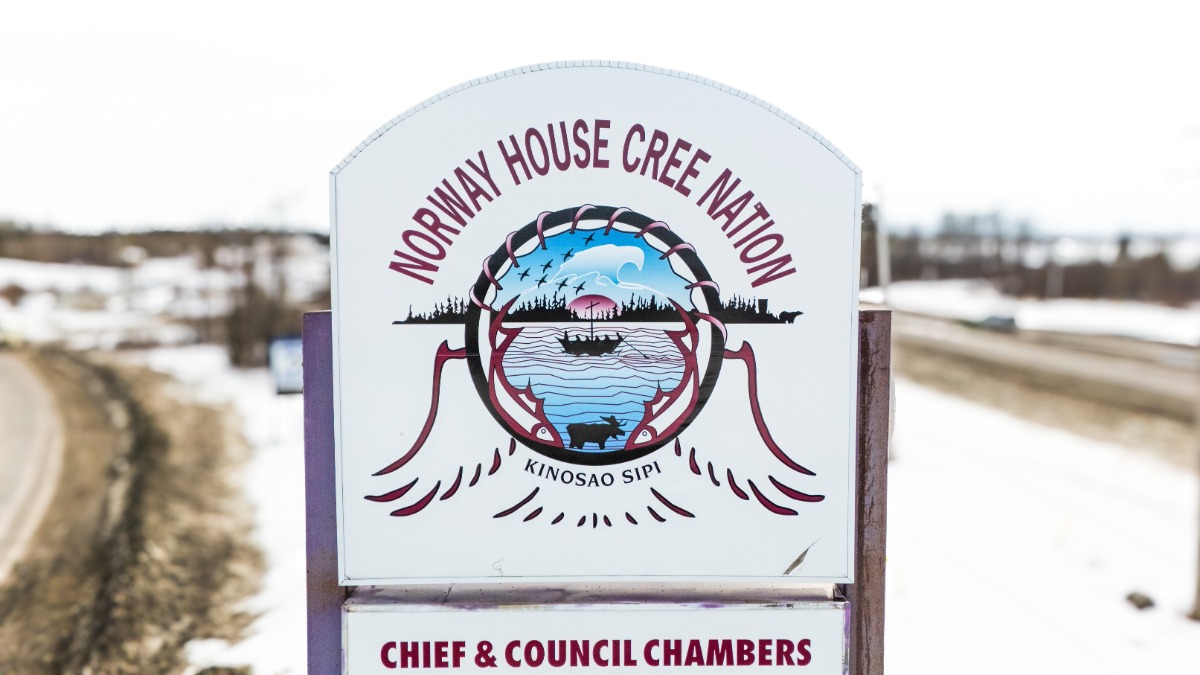
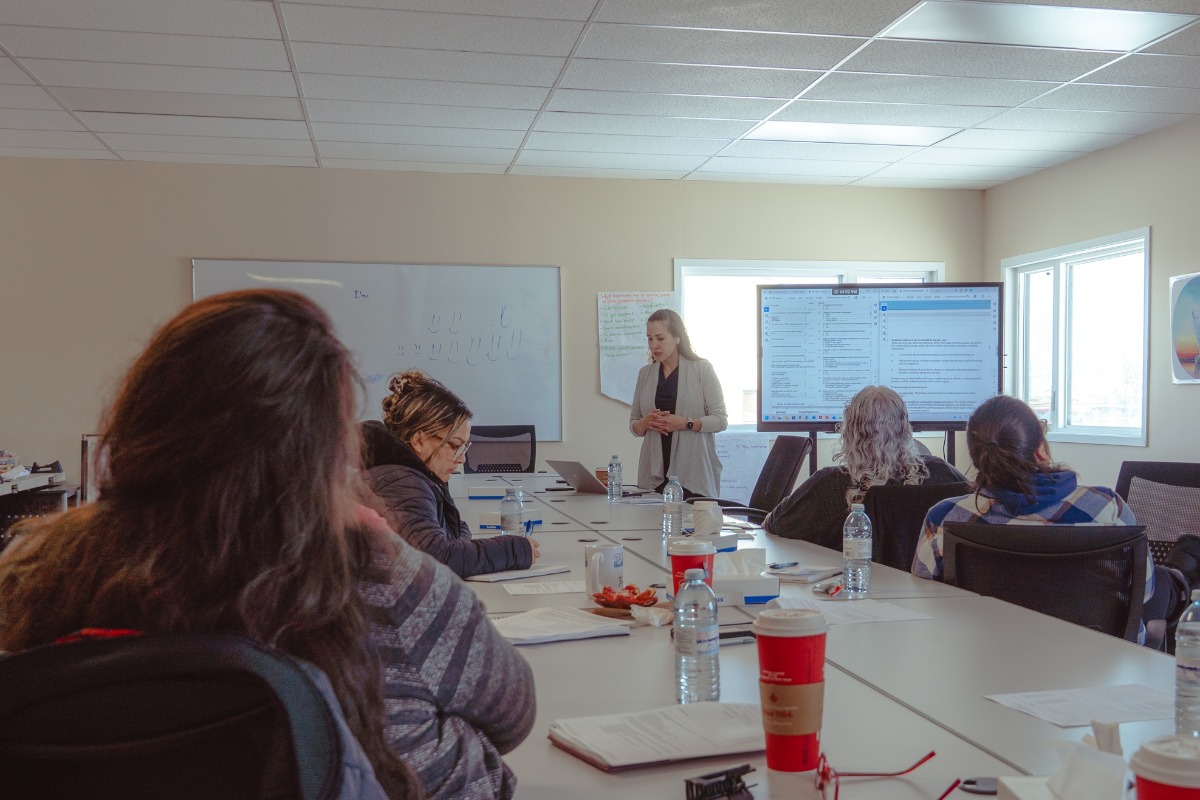
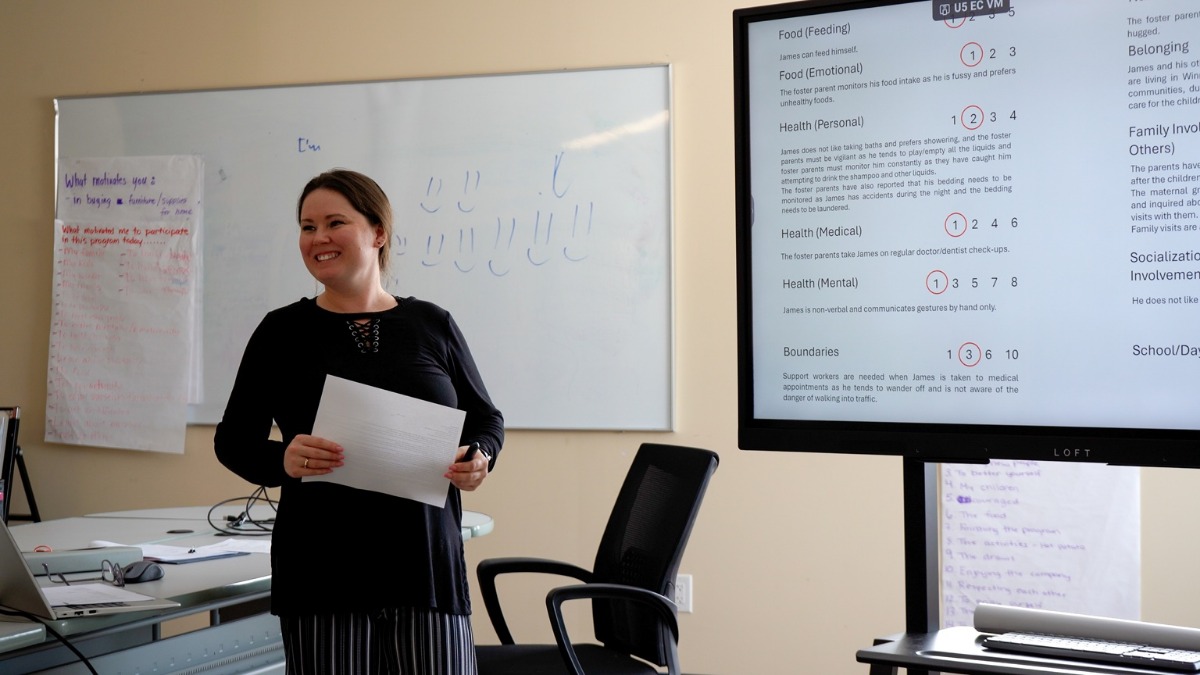
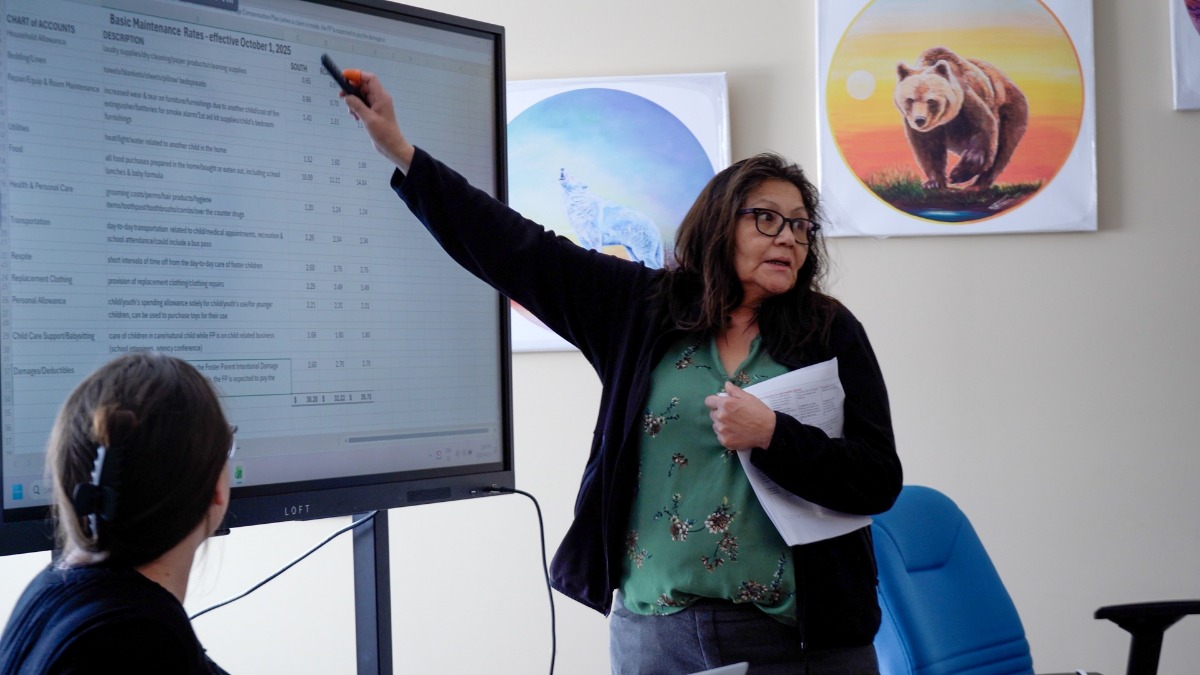
The First Nations of Northern Manitoba Child and Family Services Authority (Northern Authority) delivered a one-day training session on April 7 in Norway House Cree Nation, focused on Structured Decision Making (SDM) and Special Rates. The session is part of the Northern Authority's ongoing capacity building initiatives aimed at strengthening frontline service delivery across northern communities.
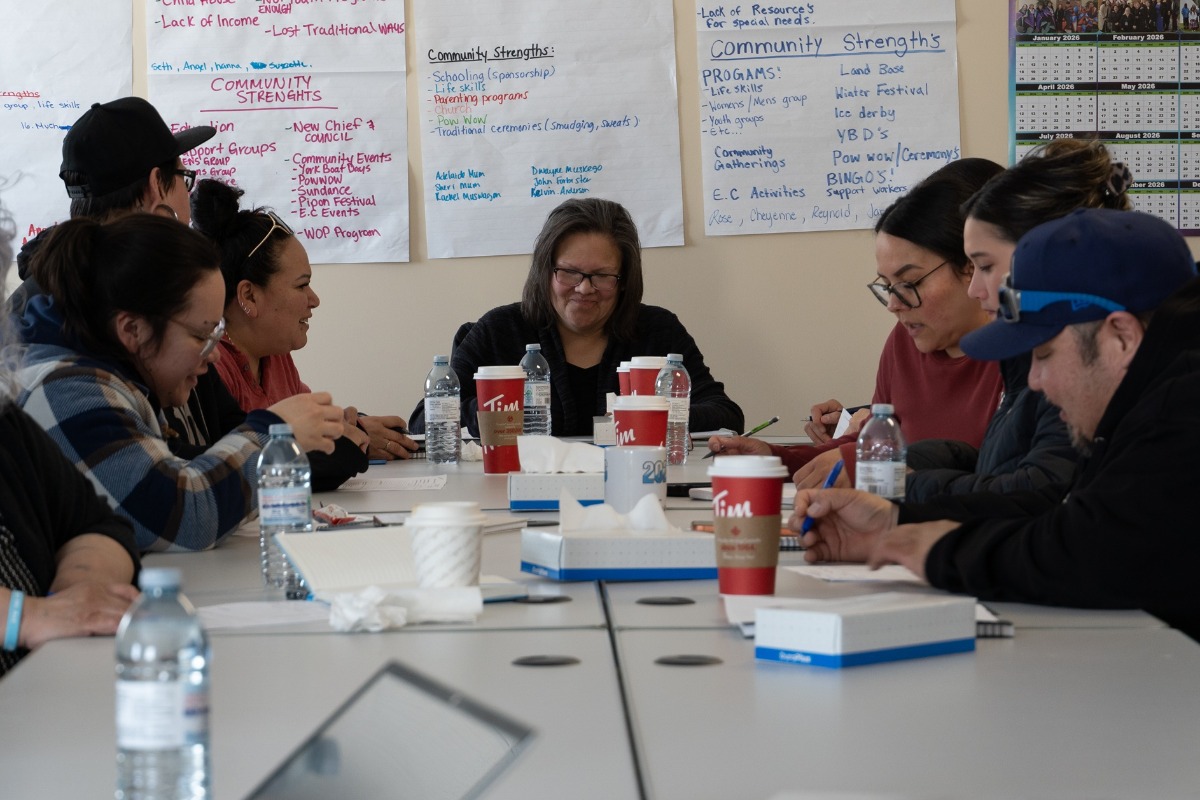
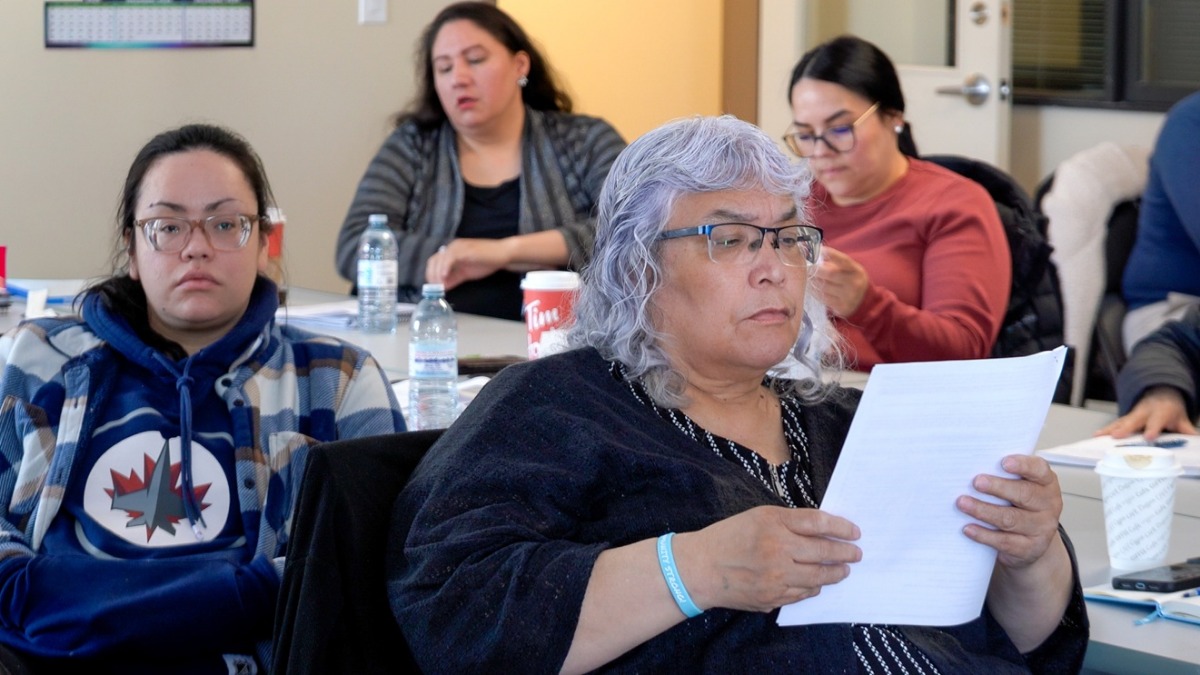
Bringing training directly into communities remains a key priority for the Northern Authority, ensuring staff can build skills in environments that reflect the realities of the families they serve. The Norway House session brought together Child and Family Services (CFS) staff to enhance their understanding of assessment tools and policy frameworks that guide daily decision-making.
Janine Farmer, an intake worker with Kinosao Sipi Minisowin Agency (KSMA), described the training as a valuable experience that strengthened her approach to assessments. "I feel like I can do it better now that I learned," she said. "Before, I was mostly focusing on the parents and the children. Now I feel like I can look at the whole family and understand what's happening in the home."
Farmer also emphasized the importance of delivering training in community settings. "I prefer in the community, because this is our home."
Similarly, Kurt Queskekapow, an intake worker from Norway House Cree Nation, highlighted how the session deepened his understanding of assessments and how they are used to support families. "The training today was very informative. It helps workers be more prepared when completing assessments," he said. "I'll be doing my assessments differently and more efficiently now."
Queskekapow noted that strengthening assessment skills plays a direct role in prevention. "With this type of training, it helps prevent families and children from getting involved with CFS by connecting them to the right supports early, like parenting programs and family services, so we can work with families instead of removing children from the home.
Participants also pointed to the value of interactive learning approaches, including scenario-based exercises, which helped bring real-life situations into the training environment and encouraged collaboration among staff.
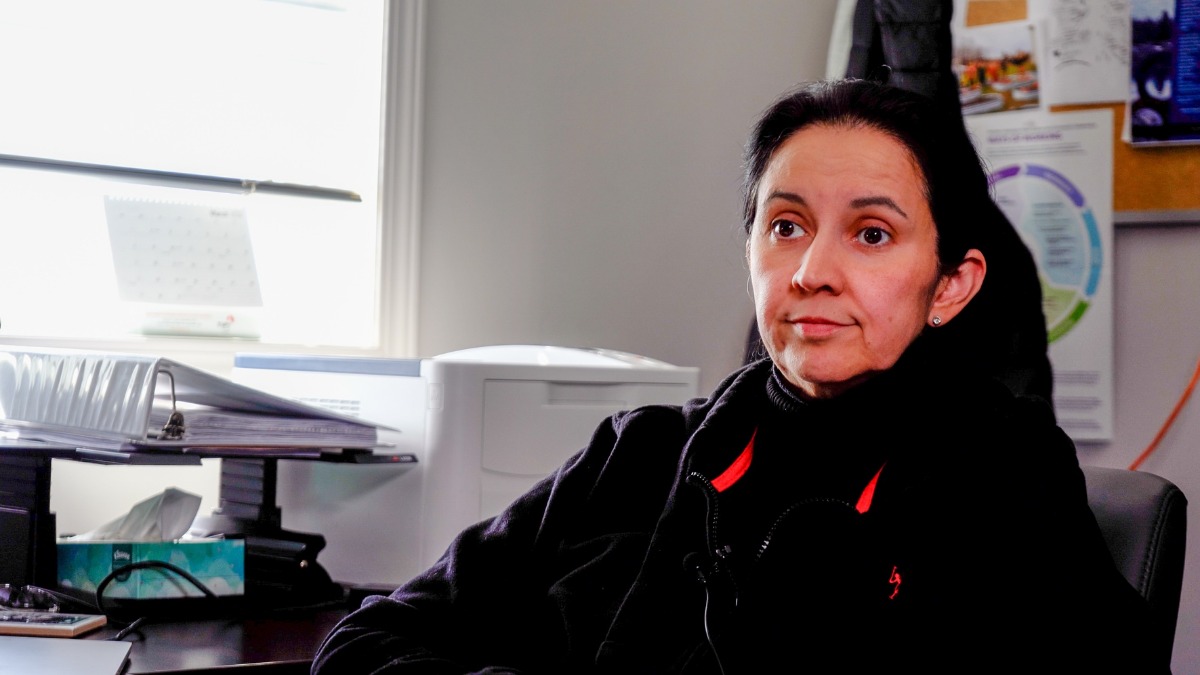
From a leadership perspective, KSMA Executive Director Rhonda Apetagon underscored the importance of rebuilding foundational training opportunities for frontline workers. "It's been a few years since core training was discontinued. What the Northern Authority is doing now is helping to re-establish those essential skills so staff have the tools they need to ensure best practices and compliance," she said.
Apetagon also emphasized the effectiveness of providing training opportunities in the community. "Training in community gives staff more opportunities to participate, connect, and learn together."
She added that these shared learning experiences strengthen teamwork across agencies and contribute to better outcomes for families.
The Northern Authority continues to expand its training initiatives as part of a broader strategy to build capacity across the north. By delivering practical, community-based learning opportunities, the Authority is supporting frontline workers to make informed decisions and strengthen prevention-focused services
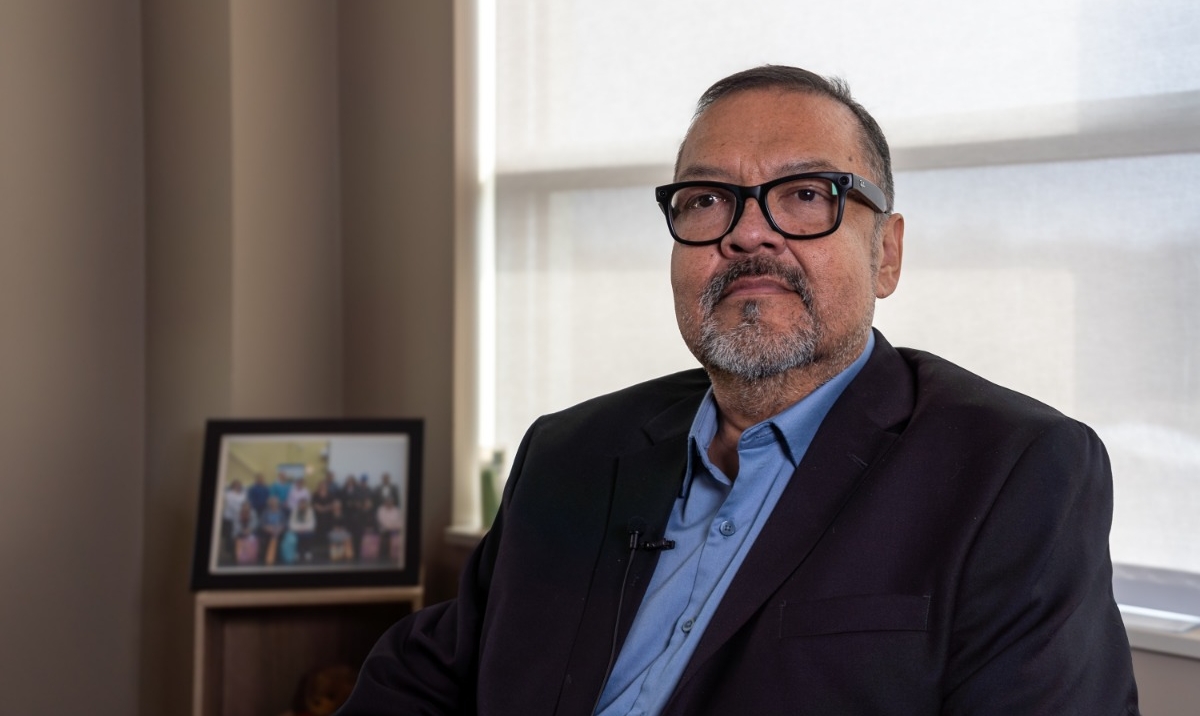
Ron Monias, Chief Executive Officer of the Northern Authority, emphasized the long-term impact of this work: "Strengthening prevention starts with investing in our frontline staff. When workers have the right tools, training, and support, they can intervene earlier, reduce risk, and work more effectively with families, helping keep children safe within their own homes and communities."
Through initiatives like the Norway House training, the Northern Authority remains committed to empowering agencies, strengthening local capacity, and advancing culturally grounded approaches to child and family services across northern Manitoba.
|
|
|
|
|
|

Contact Us
200-300 Alpine Way
Headingley, Manitoba, Canada, R4H 0E1
x 204-942-1842 A info [at] northernauthority [dot] ca
Opening Hours
Monday to Friday: 8:30am - 4:30pm
Saturday: Closed
Sunday: Closed
